Winter Tyres in Serbia: Rules for Rental Car Drivers
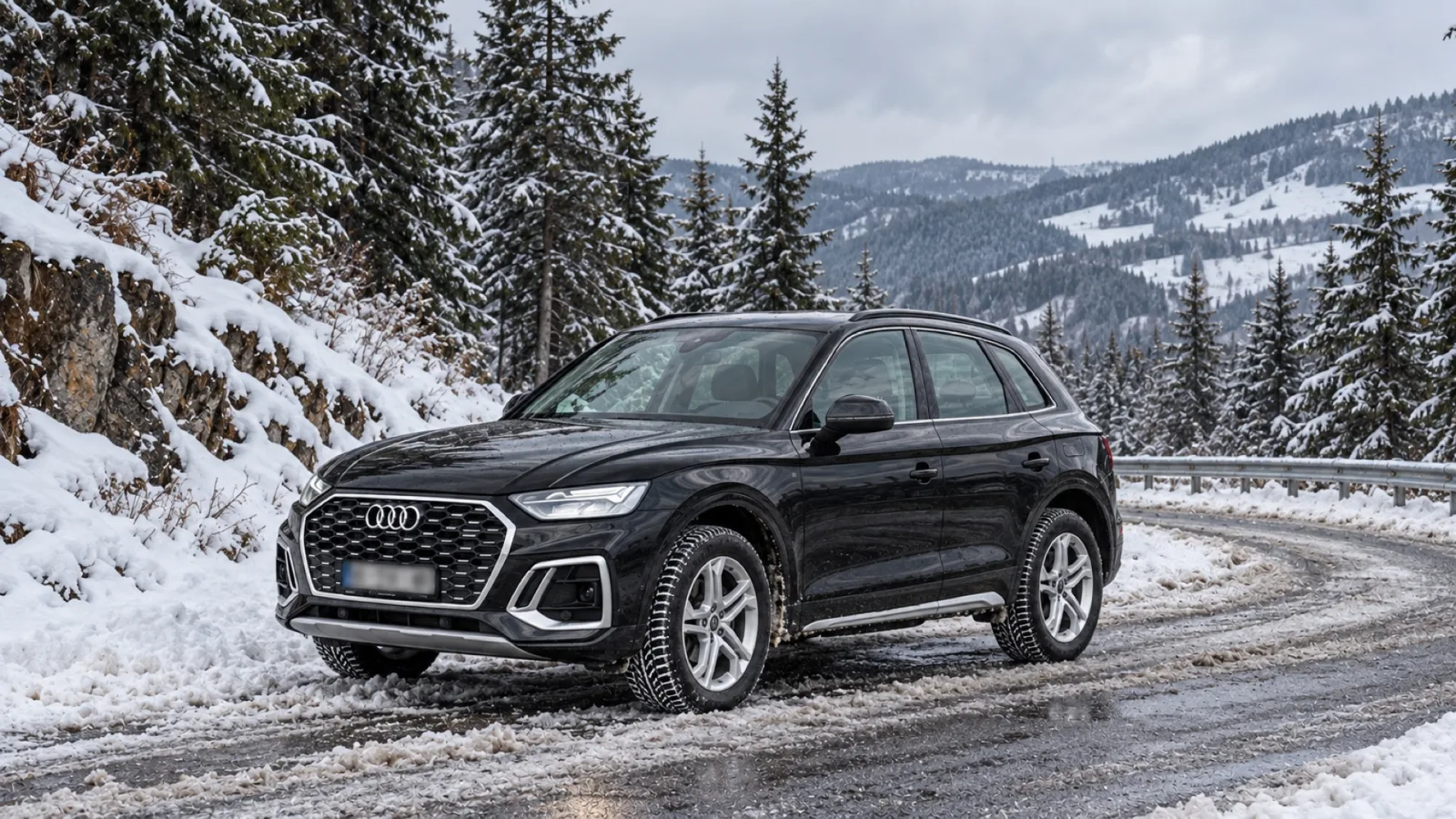
In Serbia, winter tyres are mandatory from 1 November to 1 April when the road is covered by snow, ice or black ice. A car must then have winter tyres on all four wheels, and the tread depth must be at least 4 mm. The calendar alone does not make winter tyres compulsory on a dry road, but conditions can change quickly outside Belgrade and especially in the mountains.
Snow chains or another approved traction device form part of the required winter equipment outside built-up areas. They are fitted to at least two driven wheels when the road and signs require them. For a rental journey to Kopaonik, Zlatibor or Tara, check the tyres and ask about chains before departure rather than waiting until the first steep, snowy section.
The practical rules below follow the AMSS guide to mandatory passenger-car equipment and Serbia's road-safety legislation published by the Ministry of the Interior. Check current notices before a trip because temporary restrictions may apply on mountain roads.
When the winter-tyre rule applies
The legal period is 1 November through 1 April. During that period, winter equipment is required when snow, ice or black ice is present on the carriageway. The condition matters: a bright, dry November day in central Belgrade is different from an icy morning on the final approach to a ski resort.
Do not treat the conditional wording as a reason to take chances. A trip can start on dry asphalt and reach a colder or higher area several hours later. Weather also changes during a multi-day rental. If your route includes hills, early departures or late returns, plan for the coldest part of the journey.
AMSS describes winter tyres by markings such as M+S, Snow or Winter. Many modern tyres also carry the mountain-and-snowflake symbol. Look at the sidewall rather than judging only by the tread pattern. The requirement is four suitable tyres, not merely a pair on the driven axle.
Tread depth and a quick visual check
When winter tyres are being used as mandatory winter equipment, the tread must be at least 4 mm deep. A proper measurement needs a tread-depth gauge, but a driver can still make a useful visual check before accepting the car.
Walk around the vehicle and look for:
- winter markings on all four tyres;
- even tread across each tyre;
- no cuts, bulges or exposed cords;
- normal tyre pressure warning lights after starting;
- enough clearance around the wheel arches for snow;
- a spare wheel or repair kit as supplied with the car.
Photograph the wheels during the normal collection inspection. Tyres, rims and glass are not covered by either ZURO's basic insurance or optional comprehensive cover, so recording their condition protects both sides. If anything looks wrong, ask before driving away.
Snow chains: when to carry and use them
For passenger cars, chains or another traction device for at least two driven wheels are part of the winter equipment outside populated areas. In a town, carrying chains is not required in the same way. On mountain routes, however, road signs or actual snow conditions can make them necessary.
Chains should be the correct size for the tyres and must be fitted to the driven wheels. Four-wheel drive improves traction but does not cancel the equipment rule, shorten braking distances on ice or replace suitable tyres. Practise the fitting sequence in a safe place if you have not used chains before. Never fit them on bare asphalt simply as a precaution: they can damage the tyre, wheel and road, and they reduce control.
Before a mountain journey, confirm that the bag contains a complete matched set, instructions and gloves. Stop in a safe lay-by before the car loses traction, not in a traffic lane on a steep bend.
What to check on a rental car
At collection, tell the rental company where you plan to go. A city booking and a winter mountain journey place different demands on the car. Use this short checklist:
- Confirm that all four tyres are suitable for the expected conditions.
- Ask whether chains are supplied and for which axle.
- Check the tread, sidewalls and current tyre pressures.
- Test the lights, screen wash, wipers and demisting.
- Locate the warning triangle, reflective vest and first-aid kit.
- Save the rental company's contact details in your phone.
For a snowy climb, ground clearance and all-wheel drive can be helpful, but careful speed, smooth inputs and correct equipment matter more. Our Belgrade to Kopaonik guide explains the route and the final mountain section, while the separate winter-driving guide covers fog, ice and journey planning.
Driving when conditions deteriorate
Slow down before bends, increase the following distance and use gentle steering, braking and acceleration. A wet-looking dark patch may be black ice, particularly on bridges, shaded bends and exposed plateaux. Do not rely on the car's electronic systems to overcome poor grip.
If snow becomes heavy, visibility drops or traffic begins to stop, find a safe place and check official road information. Continuing simply because you have winter tyres is not always sensible. Tyres help the car use available grip; they do not make every road passable.
Allow extra time and fuel. Keep warm clothing, water, a charged phone and a scraper accessible rather than buried under luggage. Clear snow from the roof, lights, windows and number plates before moving.
Penalties and responsibility
Driving without the prescribed equipment can lead to a fine, and the consequences may be more serious if the missing equipment contributes to an incident or blocks traffic. Published fine amounts can change, so check the current legislation and police guidance rather than relying on an old article or forum post.
The driver remains responsible for using the vehicle in accordance with the weather, signs and law. A rental agreement does not transfer that responsibility to the rental company. Report a tyre warning, damage or missing equipment promptly and do not improvise a repair that could make the car unsafe.
Frequently asked questions
Are winter tyres compulsory everywhere from 1 November?
They are compulsory between 1 November and 1 April when snow, ice or black ice is on the road. On a dry road the condition is not automatically triggered, but a route can cross several weather zones in one day.
Do I need four winter tyres?
Yes. When winter equipment is required, suitable winter tyres must be fitted to all four wheels. Two winter tyres on the driven axle are not enough.
What is the minimum tread depth?
The minimum tread depth for winter tyres used as mandatory winter equipment is 4 mm. Check all four tyres because wear may not be equal.
Do four-wheel-drive cars need snow chains?
Four-wheel drive does not create an exemption. Carry the correct traction devices for the route and follow signs and official instructions about fitting them.
Are tyres covered by rental-car insurance?
At ZURO, neither the included third-party cover nor optional comprehensive cover includes tyres, rims or glass. Inspect them at collection and drive with particular care around potholes, kerbs and chains.
Preparing a winter rental with ZURO
Check available vehicles in our fleet and read the rental terms. Tell us your route before booking so we can confirm the equipment available for that specific car and travel period.
Find a car for your dates
Pick your dates and see what is actually free — prices and availability update as you choose.
Open the fleet →Read next
Rental Car Accident in Serbia: What to Do Step by Step
A practical step-by-step guide to a rental car accident in Serbia: secure the scene, call police when needed, document damage and contact ZURO.
Read on →
Do You Need an International Driving Permit in Serbia?
Find out when a foreign driving licence is accepted in Serbia, when an international permit helps and what documents you need to rent a car.
Read on →
Belgrade to Kopaonik by Car: Route and Winter Tips
Plan the drive from Belgrade to Kopaonik: route choices, approximate travel time, tolls, winter equipment, parking and a suitable rental car.
Read on →